
Alzheimer s or the Forgetfulness Disease
Alzheimer’s, or the forgetfulness disease, is a type of brain function disorder in which the patient’s mental abilities gradually decline. Of course, becoming a little forgetful with increasing age is normal in people, but in Alzheimer’s disease this memory impairment gradually progresses. One eighth of people aged 65 years and older have this destructive state of dementia. Alzheimer’s in the first stage may not be recognizable to family and friends, but it gives warning signs before its symptoms appear.
Points About the Person Caring for a Patient with Alzheimer s?
Caring for a person with Alzheimer’s can lead the caregiver to decline both physically and mentally and psychologically (the signs of stress and caregiving are
1 Anger
2 Sadness
3 Mood changes
4 Headache or back pain
5 Concentration problems
6 Sleep problems
Take care of yourself. To avoid caregiver burnout, spend at least a few minutes every day doing something you enjoy. Contact your friends every day. Whenever you cannot pursue your favorite hobbies, find one of your friends or relatives to be your support. One of you can stay in touch with other friends!!!
What Are the Warning Signs of Getting Alzheimer s?
Memory and Speech in Early Alzheimer s???
Long-term memory usually remains untouched, but short-term memory is impaired. The person you love may forget your talks; he may repeat questions that were answered. This disease also impairs speech, so he may face a challenge in recalling common words????
Behavioral Memory Loss?
Alzheimer’s can cause changes in behavior and agitation. Your loved one may get lost in a familiar place, and mood instability and slipping in judgment are also common complications of it. He also has poor hygiene. People who were previously well-dressed forget their head hair!
What Do You Know About Alzheimer s Dementia
Alzheimer’s is the most common type of dementia, or the same deterioration of wisdom, which comes with a gradual onset and continuous progression. Alzheimer’s gradually makes the individual’s memory :thinking’reasoning and judgment, and perception weaker and weaker, and in this way causes him problems in performing the daily tasks of life. Diagnosis of this disease is done by a physician and by reviewing the patient’s health history; some tests are performed such as a CT scan, brain MRI, EEG, spinal fluid test, or psychological tests and a memory test.
How Is Alzheimer s Diagnosed??
There is no simple test for diagnosing Alzheimer’s, so the neurologist will rely on what you say about the changes created in the person in question. The mental status test, which is sometimes called mini_cog, or other screening tests, can measure his emotional skills or short-term memory. To prevent other problems such as stroke or tumor, neuropsychological tests and brain scans can be used, which can provide other information about the brain of the person in question?
What Happens to the Brain During Alzheimer s?
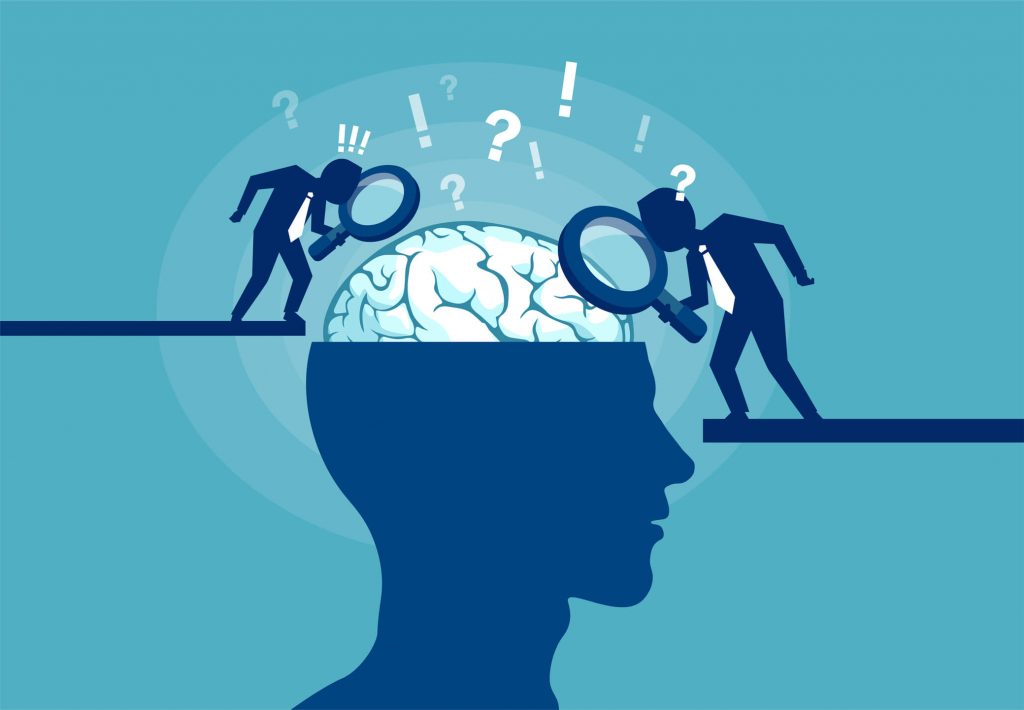
Alzheimer’s causes the death of nerve cells and the loss of structures throughout the brain. As the disease intensifies, the brain tissue shrinks and the areas containing cerebrospinal fluid become larger. The damage caused by Alzheimer’s impairs the memory, speech, and perception of the afflicted person.
What Should Be Expected from a Person with Alzheimer s???
Alzheimer’s takes a different course in each person. Sometimes the symptoms intensify quickly and within a few years lead to severe memory decline and agitation. For others, these changes are gradual; it may take 20 years for a disease to run its course. Most people survive 3 to 9 years after the diagnosis of the disease!!!
About this article
To report a content error, contact Bagh Omid and let us know. Editorial policy & sources